











How Seasonal Changes Can Affect Cannabis Cultivation in Sacramento, CA
On this page
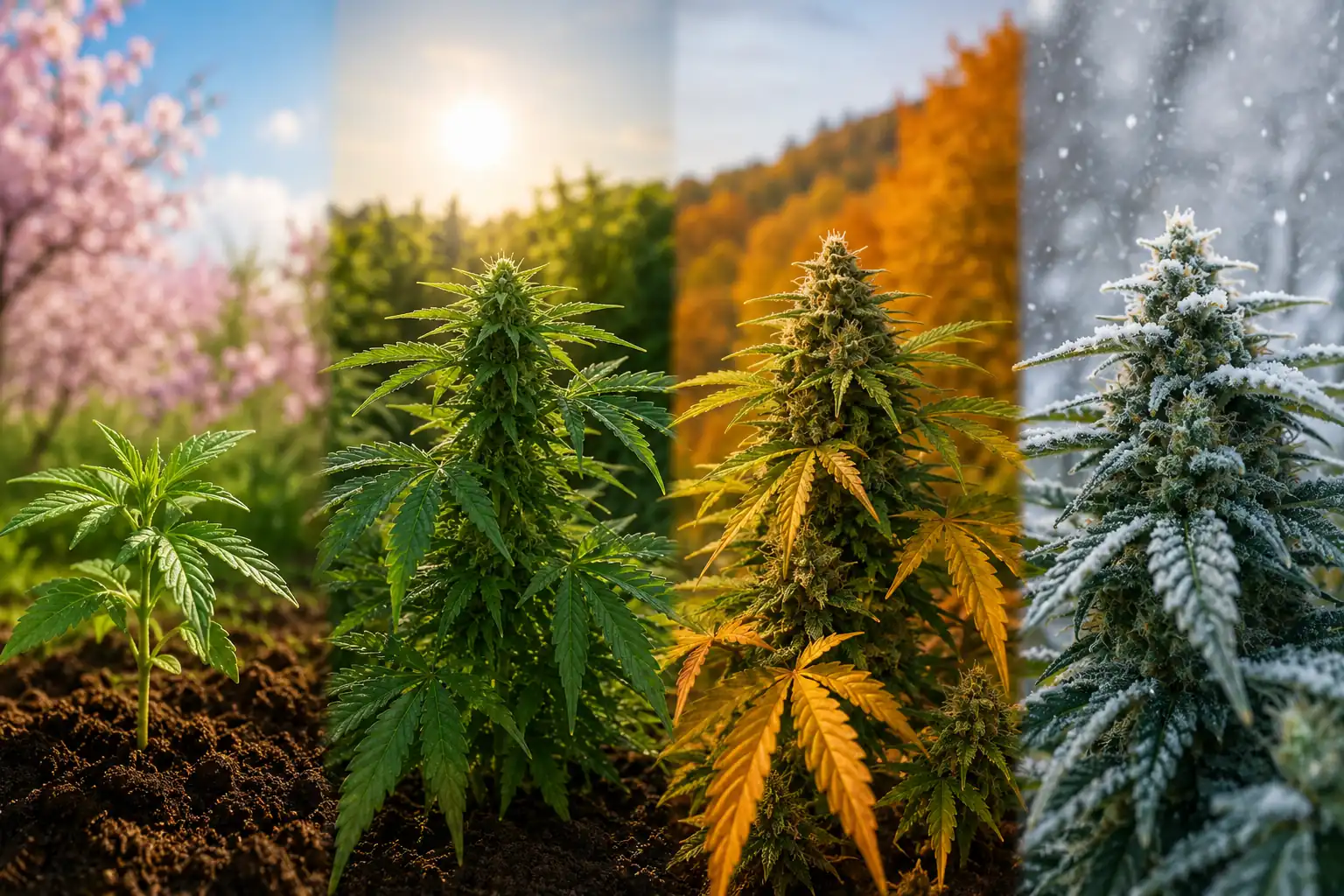
Cannabis cultivation is heavily influenced by nature. While genetics, nutrients, and growing techniques all play important roles, seasonal weather patterns can significantly impact plant growth, yield, potency, and overall crop health. In a region like Sacramento, CA, growers experience distinct seasonal shifts throughout the year, making it essential to understand how changing environmental conditions affect cannabis plants.
Whether you are a home grower, an aspiring cultivator, or someone interested in learning more about the growing process, understanding the relationship between cannabis cultivation and seasonal changes can help explain why some harvests thrive while others face challenges.
Key Takeaways
- Seasonal weather patterns directly affect cannabis cultivation through changes in temperature, humidity, sunlight, and rainfall.
- Understanding seasonal growing conditions helps growers plan planting schedules, protect crops, and maximize yields.
- Sacramento’s climate offers favorable growing opportunities, but each season presents unique challenges that require proper management.
Why Do Seasonal Changes Matter for Cannabis Cultivation?
Cannabis is a living plant that responds to its environment. Factors such as sunlight exposure, temperature fluctuations, moisture levels, and air circulation influence every stage of growth.
Successful cannabis cultivation depends on creating conditions that support healthy plant development from seedling to harvest. Even minor environmental changes can impact:
- Growth speed
- Root development
- Flower production
- Cannabinoid content
- Pest resistance
- Disease prevention
- Final harvest quality
Because seasonal growing conditions constantly change throughout the year, growers must adjust their cultivation practices accordingly.
How Does Spring Affect Cannabis Cultivation?
Spring is often considered the starting point for outdoor cannabis cultivation. As temperatures begin to rise and daylight hours increase, cannabis plants enter an ideal environment for vegetative growth.
Benefits of spring growing
During spring, growers typically experience:
- Longer daylight hours
- Moderate temperatures
- Increased soil activity
- Strong root development
- Reduced heat stress
Young cannabis plants benefit from these conditions because they can focus on establishing healthy root systems before entering later growth stages.
Common spring challenges
Spring weather can also create unexpected issues:
- Late-season frost
- Heavy rainstorms
- Sudden temperature swings
- Wind damage to young plants
Growers often use protective coverings or greenhouses to shield seedlings from unpredictable weather.
Spring temperature guidelines
| Growth Stage | Ideal Temperature |
| Seedling | 68°F–77°F |
| Vegetative Growth | 70°F–85°F |
| Root Development | 65°F–75°F |
These ranges help support strong early growth during cannabis cultivation.
How Do Seasonal Growing Conditions Influence Summer Growth?
Summer is often the most productive period for outdoor cannabis plants. Longer days provide abundant sunlight, which fuels photosynthesis and encourages rapid growth.
Advantages of summer cultivation
Summer typically provides:
- Maximum sunlight exposure
- Fast vegetative growth
- Larger plant size
- Increased canopy development
Many outdoor growers see substantial plant expansion during this season.
Heat-related challenges
Despite the benefits, seasonal growing conditions during summer can become stressful when temperatures climb too high.
Potential problems include:
- Water loss through evaporation
- Heat stress
- Nutrient uptake issues
- Leaf curling
- Reduced growth rates
According to the National Weather Service, Sacramento regularly experiences summer temperatures exceeding 90°F, with occasional heat waves surpassing 100°F. Such conditions require careful irrigation management and plant protection.
Managing extreme summer conditions
Growers often use:
- Shade cloths
- Mulching
- Drip irrigation systems
- Increased watering schedules
- Improved airflow techniques
These methods help maintain healthy cannabis cultivation during periods of intense heat.
What Role Does Sunlight Play Throughout the Seasons?
Light is one of the most important factors affecting cannabis growth.
Cannabis plants use sunlight to convert carbon dioxide and water into energy through photosynthesis. Seasonal changes naturally alter daylight duration, which directly impacts plant development.
Vegetative stage
During spring and early summer:
- Longer days promote vegetative growth.
- Plants focus on leaves, stems, and root systems.
- Growth becomes faster and more vigorous.
Flowering stage
As summer transitions into fall:
- Daylight hours gradually decrease.
- Plants detect longer periods of darkness.
- Flower production begins.
This natural process is critical for successful cannabis cultivation because flowering determines final yields and cannabinoid production.
How Does Fall Affect Cannabis Cultivation?
Fall is harvest season for many outdoor cannabis growers. During this period, plants shift their energy from growth toward flower maturation.
Benefits of fall conditions
Fall often brings:
- Cooler temperatures
- Lower sunlight intensity
- Flower development
- Increased resin production
These factors help plants focus on producing dense buds.
Harvest considerations
Timing becomes especially important during the fall. Harvesting too early may reduce potency, while harvesting too late can expose crops to weather-related risks.
Growers monitor:
- Trichome development
- Bud maturity
- Weather forecasts
- Humidity levels
Seasonal growing conditions and mold risk
One of the biggest fall challenges is elevated moisture.
High humidity can encourage:
- Powdery mildew
- Botrytis (bud rot)
- Fungal infections
Because flowers become denser during this period, airflow is essential for preventing moisture buildup.
Can Winter Affect Cannabis Cultivation?
Outdoor cannabis cultivation is generally limited during winter because colder temperatures slow plant growth.
However, winter still affects cultivation planning and preparation.
Winter challenges
Cannabis plants may struggle with:
- Frost damage
- Reduced sunlight
- Slow metabolic activity
- Root stress
- Excess moisture
Temperatures below freezing can severely damage or kill cannabis plants.
Indoor cultivation advantages
Many growers transition indoors during winter to maintain consistent growing conditions.
Indoor environments allow control over:
- Temperature
- Humidity
- Lighting schedules
- Air circulation
- Nutrient delivery
This consistency helps eliminate many seasonal growing conditions that can impact outdoor crops.
How Does Humidity Change Throughout the Seasons?
Humidity influences plant health more than many people realize.
Different stages of cannabis cultivation require different moisture levels.
Recommended humidity levels
| Growth Stage | Relative Humidity |
| Seedling | 65–70% |
| Vegetative | 50–70% |
| Flowering | 40–50% |
| Late Flowering | 30–40% |
Seasonal humidity concerns
Spring and fall often bring increased humidity levels that can contribute to disease pressure.
Meanwhile, hot summer conditions may create excessively dry environments that increase water demand.
Understanding seasonal growing conditions helps growers make timely adjustments to irrigation and airflow systems.
How Do Seasonal Changes Affect Water Requirements?
Water needs fluctuate significantly throughout the year.
During cooler months, plants generally require less irrigation because evaporation rates are lower.
During hot summer periods, cannabis plants may consume several times more water.
Factors affecting water demand
- Temperature
- Humidity
- Wind exposure
- Plant size
- Soil composition
- Sunlight intensity
Growers who fail to adjust watering schedules according to seasonal growing conditions may encounter:
- Root rot
- Nutrient deficiencies
- Wilting
- Stunted growth
Regular monitoring helps prevent these issues.
What Pests Become More Active During Different Seasons?
Pest activity changes throughout the year.
Seasonal shifts often influence insect populations and disease outbreaks.
Common spring pests
- Aphids
- Fungus gnats
- Thrips
Common summer pests
- Spider mites
- Whiteflies
- Caterpillars
Common fall concerns
- Mold outbreaks
- Bud rot
- Fungal pathogens
Integrated Pest Management (IPM) strategies are often used to monitor and reduce pest pressure without disrupting plant health.
Can Climate Trends Affect Long-Term Cannabis Cultivation?
Climate variability has become an increasing consideration for growers.
Longer heat waves, shifting rainfall patterns, and changing seasonal temperatures may influence future cultivation practices.
Research from organizations such as the United States Environmental Protection Agency (EPA) and the National Oceanic and Atmospheric Administration (NOAA) has documented rising temperatures and increasing weather variability across many regions of the United States.
For cannabis cultivation, these trends may require:
- Improved irrigation efficiency
- Heat-resistant genetics
- Greenhouse technology
- Enhanced environmental monitoring
- Flexible planting schedules
Growers who adapt to changing seasonal growing conditions are often better positioned to maintain crop quality and consistency.
What Are the Best Practices for Managing Seasonal Changes?
While growers cannot control the weather, they can prepare for it.
Practical strategies for year-round success
- Monitor local weather forecasts regularly.
- Choose genetics suited to regional conditions.
- Improve soil health before planting.
- Install efficient irrigation systems.
- Maintain proper airflow around plants.
- Use shade protection during heat waves.
- Monitor humidity during flowering.
- Adjust nutrient schedules as growth stages change.
- Inspect plants frequently for pests.
- Harvest based on plant maturity rather than calendar dates.
These practices help reduce environmental stress and support healthier cannabis cultivation outcomes.
How Can Growers in Sacramento Prepare for Seasonal Shifts?
Sacramento’s Mediterranean climate provides many advantages for cannabis cultivation, including long sunny summers and relatively mild winters. However, growers must still account for seasonal fluctuations.
Key preparation steps include:
- Starting seedlings after frost risks have passed.
- Preparing for extreme summer heat.
- Monitoring humidity during flowering.
- Protecting plants from unexpected weather events.
- Planning harvests before prolonged fall moisture arrives.
By understanding local seasonal growing conditions, cultivators can make informed decisions throughout the year.
Conclusion
Seasonal changes play a major role in cannabis cultivation. Temperature, sunlight, humidity, rainfall, and pest activity all shift throughout the year, influencing plant health and harvest outcomes. Growers who understand these natural cycles can better prepare for challenges and take advantage of favorable conditions.
From spring seedling development to fall harvest timing, every season contributes to the success of a crop. By paying close attention to seasonal growing conditions and adapting cultivation practices as needed, growers can improve consistency, quality, and overall plant performance. For those looking to learn more about cannabis products and cultivation insights, Kolas continues to support consumers through education and access to quality cannabis resources.
FAQ: Cannabis Cultivation and Seasonal Growing Conditions
1. How do seasonal changes affect cannabis cultivation?
Seasonal changes affect cannabis cultivation by influencing temperature, sunlight, humidity, rainfall, and pest activity. These environmental factors impact plant growth, flowering, and harvest quality.
2. Why are seasonal growing conditions important for cannabis plants?
Seasonal growing conditions determine how well cannabis plants develop throughout their life cycle. Proper conditions support healthy roots, strong growth, and successful flowering.
3. What temperature is best for cannabis cultivation?
Most cannabis plants thrive between 70°F and 85°F during vegetative growth, although specific requirements vary by strain and growth stage.
4. How does summer heat impact cannabis cultivation?
Excessive summer heat can cause water stress, nutrient uptake issues, leaf damage, and slower growth. Growers often use irrigation and shade management to reduce heat-related problems.
5. Can cannabis cultivation continue during winter?
Outdoor cannabis cultivation becomes challenging during winter due to colder temperatures and reduced sunlight. Many growers use indoor environments to maintain consistent growing conditions year-round.